What Travelers Need to Know Before Booking a Helicopter Tour in Grenada
- Glenn Allyn
- Dec 18, 2025
- 4 min read
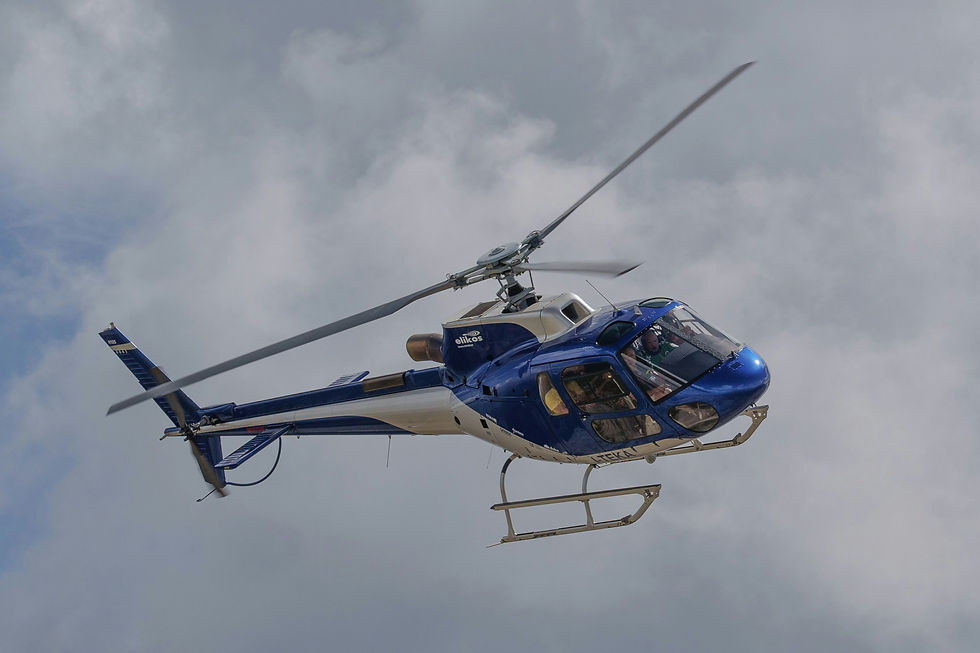
As explained by Glenn Allyn, an aviation professional whose perspective has been shaped by years of experience in White Plains, New York, booking a helicopter tour in Grenada starts with understanding the island's geographic complexity. Though Grenada appears small on a map, its steep interior hills, volcanic origins, dense rainforests, and deeply curved coastline create layers that are difficult to grasp from the ground. Helicopter tours are designed to translate this complexity into a single, cohesive view, helping travelers understand how the island's natural systems and human development are interconnected.
From an aerial vantage point, Grenada becomes more than a collection of beaches and towns. Mountain ridges explain road patterns, valleys reveal agricultural planning, and coastal contours show why certain harbors became centers of activity. This bird's-eye view provides clarity that enhances every other experience on the island, from inland hikes to shoreline relaxation.
Understanding this role of helicopter touring helps travelers approach the experience with realistic expectations. These flights are not meant to replace time spent exploring on foot or by vehicle, but to provide orientation and insight that enrich everything that follows.
Helicopter Design and Passenger Visibility
Helicopter tours in Grenada typically use aircraft chosen specifically for island and coastal environments. These helicopters prioritize maneuverability, balance, and visibility rather than speed or long-distance endurance. Expansive, curved windows and elevated seating arrangements ensure that every passenger has an unobstructed view of the terrain below, regardless of where they sit.
Thoughtful onboard features further enhance the passenger experience. Noise-reducing headsets minimize engine sound while allowing clear communication during the flight. Pilots maintain steady flight paths, smooth turns, and gradual altitude changes to ensure comfort while positioning the aircraft for optimal sightseeing angles.
Seating assignments and weight limits are also carefully planned to maintain aircraft balance. These considerations directly affect ride quality and safety, particularly in the variable wind conditions common to island environments. Understanding these details helps passengers see operational guidelines as essential elements of professional aviation rather than unnecessary constraints.
Safety Protocols and Aviation Discipline
Safety is the foundation of helicopter tour operations in Grenada and influences every phase of the experience. Pre-flight inspections, weather assessments, and passenger briefings are conducted consistently, regardless of how routine a route may appear. These practices ensure aircraft readiness and allow crews to respond quickly to changing conditions.
Island flying presents unique challenges, including coastal wind shifts, rising thermals near elevated terrain, and sudden changes in visibility. Pilots are trained to anticipate these factors and make precise adjustments to speed, altitude, and routing. While passengers may not notice these changes, they play a critical role in maintaining a smooth and secure flight.
When travelers understand this safety culture, they are less likely to feel uneasy about delays or route modifications. Such decisions are typically proactive measures taken to preserve safety and viewing quality, reflecting professionalism rather than uncertainty.
Weather Patterns and Optimal Flight Timing
Grenada's tropical climate plays a significant role in planning helicopter tours. Weather conditions can vary rapidly between coastal areas and inland elevations, where clouds or brief rain showers may develop unexpectedly. Travelers who understand this variability are better prepared to approach scheduling with flexibility.
Morning flights are often preferred due to cooler temperatures, calmer air, and clearer visibility. As the day warms, rising air currents can introduce mild turbulence, particularly near mountainous terrain. While this does not compromise safety, it may affect comfort, making timing a vital consideration when booking.
Seasonal rainfall patterns also influence long-term planning. Some periods offer more consistent flying conditions, while others require adaptability. Tour operators closely monitor forecasts and may adjust timing or routes accordingly. Travelers who anticipate these adjustments are more likely to enjoy the experience without frustration.
Route Planning and Scenic Emphasis
Helicopter tour routes in Grenada are carefully structured rather than spontaneous. Operators design paths that balance scenic value with operational efficiency and regulatory requirements. Some routes emphasize coastal scenery, showcasing reefs, beaches, bays, and dramatic shorelines. Others focus on inland features such as waterfalls, crater lakes, forest reserves, and agricultural regions that are difficult to access by road.
Flight duration directly affects what can be included in a tour. Shorter flights provide a concentrated overview, ideal for travelers seeking orientation or a brief aerial experience. More extended tours allow for smoother transitions between regions and a deeper understanding of how different landscapes interact across the island.
Environmental considerations also shape route design. Certain areas may have altitude or hovering restrictions to protect wildlife and local communities. These guidelines support sustainable tourism and long-term preservation. Travelers who understand this context are more likely to appreciate the thoughtful balance behind route selection.
Booking Considerations and Cost Awareness
Booking a helicopter tour in Grenada involves evaluating more than availability. Pricing reflects operational costs, including aircraft maintenance, fuel, pilot expertise, and whether the flight is private or shared. Private tours offer exclusivity and customization, while shared tours provide a more accessible option without compromising safety or professionalism.
Understanding what is included in the booking is essential for assessing value. Some tours include in-flight narration, extended routes, or transportation to and from the helipad, while others focus strictly on flight time. Knowing these details helps align expectations with the chosen experience.
Flexibility is another essential booking consideration. Weather-related changes are common in aviation, and travelers who plan with adaptability in mind are more likely to enjoy their experience despite minor schedule adjustments.
Passenger Preparation and Experience Readiness
Passenger preparation plays a significant role in the overall quality of a helicopter tour. Weight limits, attire guidelines, and pre-flight instructions are standard aviation practices designed to ensure balance and comfort. Lightweight clothing, secure footwear, and minimal loose items contribute to a smoother flight experience.
Mental readiness is equally important. Helicopter flight introduces sensations such as vertical lift, vibration, and expansive visual exposure that may be unfamiliar. Travelers who understand what to expect are less likely to feel anxious and more likely to engage fully with the scenery.
When informed booking decisions, thoughtful preparation, and realistic expectations align, a helicopter tour becomes more than a sightseeing activity. It becomes an immersive way to understand Grenada's terrain, structure, and natural beauty from a perspective that is both rare and deeply informative.


Comments