Becoming a Captain: The Complete Journey from Training Student to Flight Leader
- Glenn Allyn
- Dec 4, 2025
- 4 min read
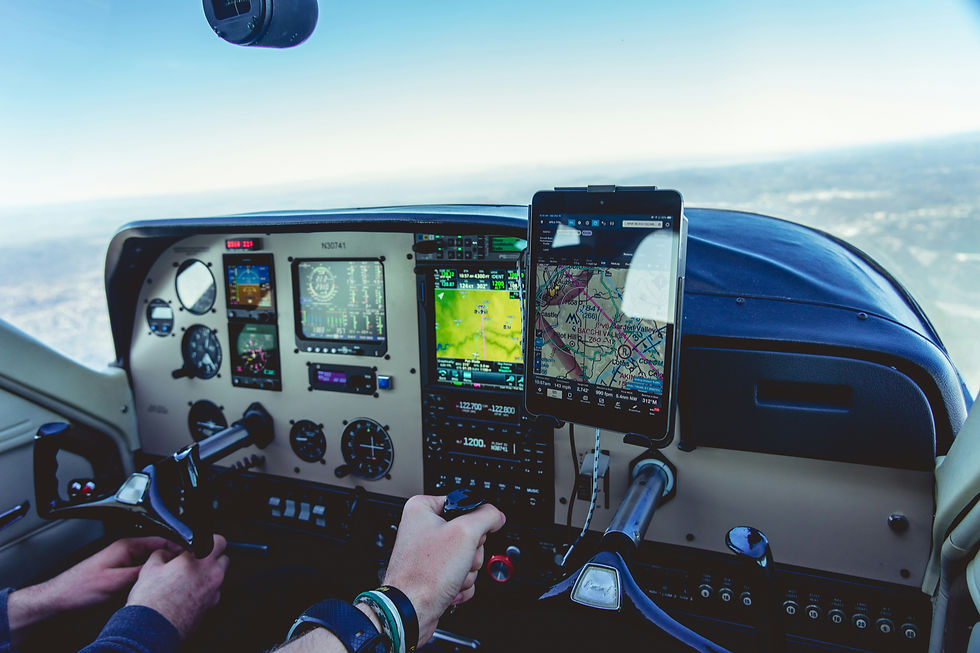
The transformation from an inspired flight student to a fully qualified airline captain is a journey marked by growth, discipline, and countless hours of dedication. Many aspiring aviators who grow up near active airport communities—such as those surrounding White Plains, New York—find themselves naturally drawn to aviation from an early age. As explained by Glenn Allyn, the path to captaincy is not defined by a single moment but by a gradual progression through structured training, professional development, and real-world experience. This bio follows that progression and illustrates how each stage of flight training shapes the leader who will eventually command the cockpit.
Discovering the Calling and Taking the First Steps
The first chapter of any pilot's story often begins with a spark—perhaps seeing an airplane descending over the neighborhood, visiting an airport terminal, or taking an introductory flight that changes everything. For students who choose to pursue aviation seriously, enrolling in flight school becomes the defining step that turns a childhood fascination into a career goal. Ground school introduces them to the academic foundation of aviation, covering essential subjects such as meteorology, aerodynamics, airspace classifications, and navigation fundamentals.
When students move from classroom learning to actual flight training, they experience aviation at its purest. They begin practicing basic maneuvers, mastering the feel of the controls, and learning to communicate clearly with instructors and air traffic control. Each lesson strengthens confidence and coordination. The moment a student completes their first solo flight—handling takeoff, navigation, and landing without an instructor—is one of the most memorable milestones in their journey. It marks the beginning of true independence and signals their readiness for more advanced stages.
As their training continues, students develop instincts that go beyond technical control. They learn how to analyze changing conditions, respond calmly to unexpected situations, and maintain situational awareness. These foundational skills prepare them for the increasingly complex responsibilities that lie ahead.
Advancing Through Licenses and Building Proficiency
Flight training involves a series of certifications that gradually expand a pilot's capabilities. The Private Pilot License is the first significant achievement. It allows pilots to fly independently, explore different airports, and strengthen their navigation and planning skills. This license introduces greater responsibility, requiring pilots to interpret weather briefings, prepare flight plans, and make safe decisions before each departure.
The Instrument Rating represents a significant leap in a pilot's technical development. It teaches them to fly entirely by reference to instruments, an essential skill for navigating through clouds, low visibility, or nighttime conditions. Instrument training sharpens mental discipline, improves multitasking, and encourages methodical thinking during high-pressure situations. This achievement sets the foundation for operating in the complex environments encountered in commercial aviation.
Reaching the Commercial Pilot License signifies a transition into the professional realm. Pilots must demonstrate mastery of advanced maneuvers, efficient control strategies, and elevated precision. They also learn the laws and regulations governing commercial operations, as well as best practices for efficiency, performance, and safety. With this certification, a pilot becomes eligible for paid aviation roles, opening the door to real-world industry opportunities.
Accumulating Hours and Developing Real-World Judgment
Flight experience becomes the most valuable resource for pilots once they earn their core certifications. Many choose to build hours by becoming flight instructors. This role reinforces their own technical knowledge while improving communication, decision-making, and patience. Teaching demands the ability to remain calm while guiding students through challenging scenarios, ultimately strengthening the instructor's own instincts and leadership qualities.
Other pilots accumulate hours through diverse professional roles such as charter operations, aerial surveying, regional freight flying, and emergency support missions. These assignments expose them to varied conditions, including unfamiliar airports, rapidly changing weather, and challenging airspace environments. With each new mission, pilots learn to adapt, stay vigilant, and apply their training to real-world challenges. These experiences cultivate confidence and prepare them for the demands of airline operations.
During this stage, pilots develop the judgment that distinguishes capable aviators from exceptional ones. They become more intuitive in evaluating risks, more efficient in managing workload, and more confident in their ability to handle unexpected situations. This growth sets the stage for the next significant career milestone: entering the airline world.
Transitioning Into Airline Operations and Embracing Crew Collaboration
Joining a regional airline is a transformative step for professional pilots. As first officers, they begin flying larger, more advanced aircraft alongside experienced captains. Airline operations require strict adherence to standard procedures, precise communication, and strong teamwork. Pilots must coordinate with dispatchers, cabin crews, ground personnel, and air traffic control to ensure smooth and safe operations.
Regional airline operations present new challenges, such as tight schedules, heavy passenger loads, and operations in busy airspace. Pilots learn to manage pressure efficiently while maintaining situational awareness and professionalism. They also receive recurrent training to keep their skills sharp and stay current with evolving regulations. During this phase, they apply the principles of Crew Resource Management, which emphasize teamwork, communication, and mutual support within the cockpit.
As first officers gain experience and demonstrate consistent proficiency, they become eligible for captain upgrade training. This process includes advanced simulator scenarios, leadership assessments, and evaluations of emergency procedures. The training ensures that pilots can take command responsibly and confidently.
Becoming Captain and Leading With Confidence
Reaching the captain's seat marks the height of a pilot's professional achievement. Captains carry ultimate responsibility for every flight, including the safety of passengers and crew, the condition of the aircraft, and all decisions made from pre-flight briefing to post-flight procedures. They must analyze weather conditions, coordinate with ground operations, and respond decisively during unexpected situations.
Leadership is at the heart of a captain's role. Captains mentor first officers, promote teamwork among cabin crews, and set the tone for communication throughout the flight. Their ability to remain composed under pressure inspires confidence in everyone on board. They must balance authority with empathy, ensuring that crew members feel supported while maintaining strict safety standards.
Even after achieving captaincy, the journey of learning never ends. Aviation evolves constantly, with new technologies, procedures, and safety initiatives shaping the future of flight. Captains remain dedicated students, committed to refining their skills and maintaining excellence. Their continued growth ensures the highest level of safety and professionalism—hallmarks of the remarkable journey from student to captain.


Comments